Best Time to Visit the Brazilian Amazon Rainforest
When is the best time to visit the Brazilian Amazon? Compare dry vs wet season, wildlife, prices, crowds, and find the perfect timing for your trip.
Last updated: March 10, 2026
Match a water or trail experience to your travel month. Explore Three-Day Amazon Wildlife And Culture Adventure ↗
Seasonal planning update, September 2026: Rainfall and river levels follow different cycles. Around Manaus the Rio Negro is usually high in May–July and low later in the year. Budget, occupancy and wildlife percentages in older comparisons are illustrative estimates, not measured forecasts or current quotes. Use current river conditions and an operator’s actual itinerary when choosing dates. Brazilian Geological Survey hydrology reference.
What Actually Defines the Seasons in the Brazilian Amazon?
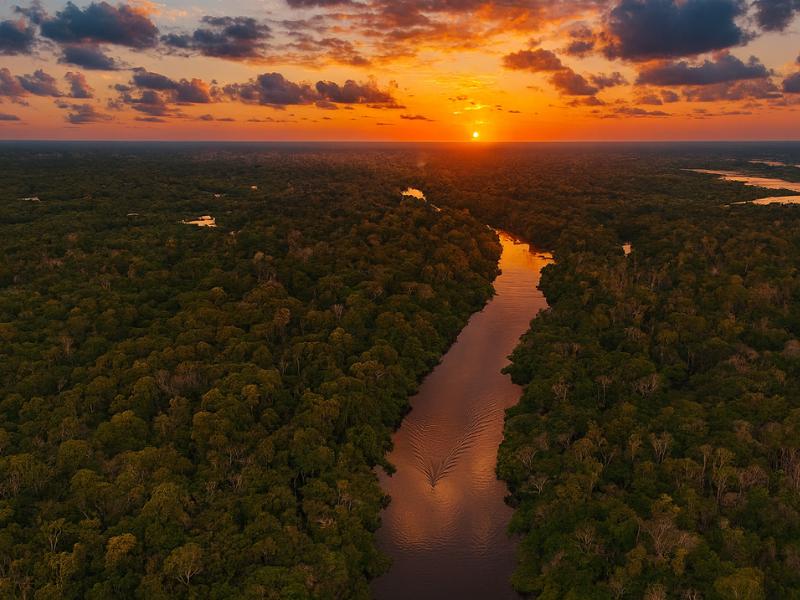
The Amazon doesn’t follow spring/summer/fall/winter. It has two seasons defined entirely by rainfall and river levels, not temperature. Temperature stays relatively constant year-round (28-35°C), so forget “cooler months” – they don’t meaningfully exist.
Dry Season (June-November): Rainfall drops to 60-100mm monthly (versus 200-300mm wet season). Rivers recede 10-15 vertical meters over these months. By September-October, water levels hit annual lows. Massive sandbars appear. Beaches emerge along river edges. Tributaries shrink to streams. Forest trails that were underwater for six months become accessible for hiking.
The term “dry” misleads – this is still rainforest. You’ll experience rain, just less frequently. Think afternoon thunderstorms 2-3 times weekly versus daily deluges. The forest floor remains damp. Humidity stays 70-85%.
Around Manaus, river levels generally reach their annual high in May–July, commonly June. The low often occurs in October–November, with substantial variation between years. Rainfall seasons do not map directly onto these river levels.
Again, “wet” is relative. You’re not underwater constantly. Daily pattern typically involves morning sun, afternoon rain, evening clearing. But rain is frequent, heavy, and unavoidable.
There is no universally worst month. Match the activities to current conditions and keep some itinerary flexibility; rainfall, river level and wildlife encounters vary independently.
Table: Brazilian Amazon Dry Season vs Wet Season Complete Comparison
| Factor | Dry Season (Jun-Nov) | Wet Season (Dec-May) | Best Choice For |
|---|---|---|---|
| Rainfall | 60-100mm monthly, 2-3x weekly storms | 200-350mm monthly, daily afternoon rains | Dry: photographers needing consistent light |
| River Levels | Low (10-15m drop), beaches exposed | High (10-15m rise), forest flooded | Depends on desired activities |
| Forest Hiking | Excellent – trails dry, extended treks possible (4-6 hour hikes) | High water changes trail and canoe access. Some terra-firme trails remain walkable; ask what the particular itinerary can offer during your dates. | Dry: hikers wanting land access |
| Canoe Access | Rivers and main channels only | Deep forest penetration, navigate between trees | Wet: canoe enthusiasts, flooded forest |
| Wildlife Concentration | High – animals gather at shrinking water sources | Low – animals dispersed throughout flooded forest | Dry: reliable wildlife spotting |
| Wildlife Diversity Visible | Easier spotting (concentrated) but less diversity accessible | More diversity present but harder to spot (dispersed) | Dry: photography, Wet: ecosystem variety |
| Beaches/Swimming | Yes – extensive sandbars, designated safe swimming areas | No – everything submerged, limited swimming | Dry: wanting swim breaks, beach picnics |
| River Dolphins | Easier viewing in narrower, shallower channels | Harder to spot in vast flooded areas | Dry: reliable dolphin encounters |
| Bird Watching | Excellent – concentrated near water, clear sightlines | Good but different species, harder spotting in flooded canopy | Dry: bird photographers |
| Temperature | Slightly hotter (32-35°C), more direct sun exposure | Marginally cooler (30-32°C), more cloud cover | Wet: barely noticeable difference |
| Humidity | 70-85% (still very humid) | 80-90% (extremely humid) | Neither – both oppressive |
| Mosquitoes | Aggressive – concentrated populations, higher density | Fewer – water volume dilutes breeding areas | Wet: insect-sensitive travelers |
| Other Insects | Higher concentration, more aggressive biting | Present but less concentrated | Wet: marginally better bug situation |
| Lodge Prices | High – peak season ($250-400/night mid-range) | Low – off-season ($180-300/night mid-range) | Wet: budget travelers (20-30% savings) |
| Crowds | High – lodges 70-90% full, book 4-6 months ahead | Low – lodges 30-50% full, book 2-3 months ahead | Wet: solitude seekers |
| Tour Availability | Maximum – all tours operating full schedules | Reduced slightly – some tours modify routes | Dry: wanting maximum options |
| Photography Conditions | Better light (less cloud cover), better access to subjects | Unique perspectives (flooded forest), more challenging light | Dry: serious wildlife photographers |
| First-Timer Friendliness | Higher – meets expectations, reliable experiences | Lower – requires adjustment, unexpected conditions | Dry: first Amazon visitors |
| Return Visitor Appeal | Lower – similar to expectations | Higher – dramatically different from dry season | Wet: seeing different Amazon |
What Happens Month by Month in the Brazilian Amazon?
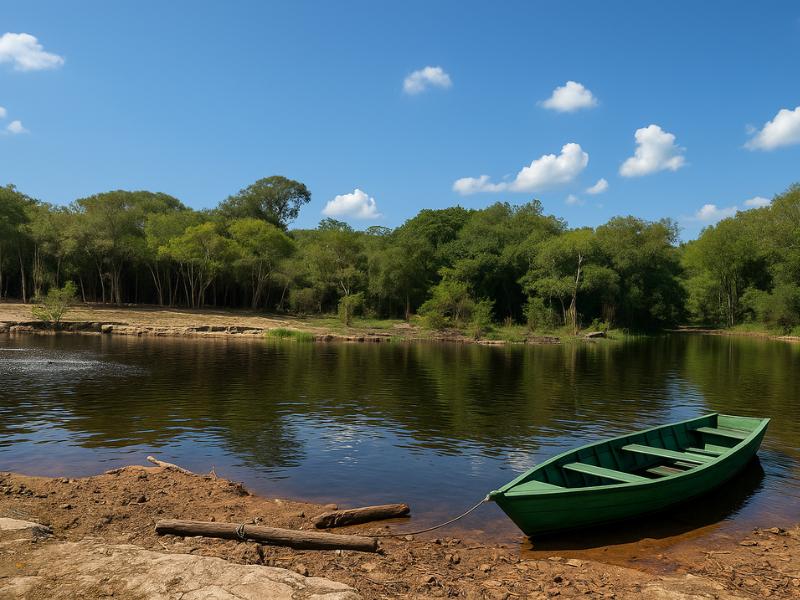
January: Water is generally rising around Manaus. Rain and changing channels can affect the route; ask which waterways and trails are open for your dates.
February: The Rio Negro is generally still rising rather than at its annual maximum. Consider a water-focused itinerary, while confirming local access with the operator.
March: Rainfall and river level are different measures. March is usually part of the rising-water period near Manaus, not a reason by itself to avoid a trip.
April: April can work well for a river-focused visit. It is not an established worst month; the exact lodge route and current river conditions matter more than that label.
May: High water is typical around Manaus. Seasonal forest waterways can open up while some trails change; confirm the planned mix of walking and canoeing.
June: The Rio Negro at Manaus commonly reaches its annual high around June. This can favor flooded-forest exploration; June should not be described as guaranteed low water.
July: River levels can remain high into July before falling. School-holiday demand may affect your choices, but confirm actual prices and departures rather than assuming a fixed occupancy rate.
August: Water generally recedes after the annual high. Trail and channel access change gradually, with substantial variation between years and lodge locations.
September: Receding water can expose riverbanks and alter boat access. Ask whether low-water conditions affect your transfer or excursions; wildlife remains unpredictable.
October: Low water is common around Manaus, and severe drought can disrupt navigation. Check current conditions before fixing a remote route.
November: Low water can persist before the river begins rising again. This is not automatically a bad travel month, but transport and route details deserve attention.
December: River levels often begin rising again, with timing varying by year. Confirm holiday departures and actual quotes; there is no universal seasonal discount.
Table: Brazilian Amazon Month-by-Month Planning Guide
| Month | Manaus river planning |
|---|---|
| January | Water is generally rising around Manaus. Rain and changing channels can affect the route; ask which waterways and trails are open for your dates. |
| February | The Rio Negro is generally still rising rather than at its annual maximum. Consider a water-focused itinerary, while confirming local access with the operator. |
| March | Rainfall and river level are different measures. March is usually part of the rising-water period near Manaus, not a reason by itself to avoid a trip. |
| April | April can work well for a river-focused visit. It is not an established worst month; the exact lodge route and current river conditions matter more than that label. |
| May | High water is typical around Manaus. Seasonal forest waterways can open up while some trails change; confirm the planned mix of walking and canoeing. |
| June | The Rio Negro at Manaus commonly reaches its annual high around June. This can favor flooded-forest exploration; June should not be described as guaranteed low water. |
| July | River levels can remain high into July before falling. School-holiday demand may affect your choices, but confirm actual prices and departures rather than assuming a fixed occupancy rate. |
| August | Water generally recedes after the annual high. Trail and channel access change gradually, with substantial variation between years and lodge locations. |
| September | Receding water can expose riverbanks and alter boat access. Ask whether low-water conditions affect your transfer or excursions; wildlife remains unpredictable. |
| October | Low water is common around Manaus, and severe drought can disrupt navigation. Check current conditions before fixing a remote route. |
| November | Low water can persist before the river begins rising again. This is not automatically a bad travel month, but transport and route details deserve attention. |
| December | River levels often begin rising again, with timing varying by year. Confirm holiday departures and actual quotes; there is no universal seasonal discount. |
When Should Wildlife Photographers Actually Visit the Brazilian Amazon?
Recommended tours by season
Amazon Jungle Tour: Full Day in the Rainforest
12 hours from Manaus with a rainforest trek and a return to the city the same evening. A straightforward dry-season day.
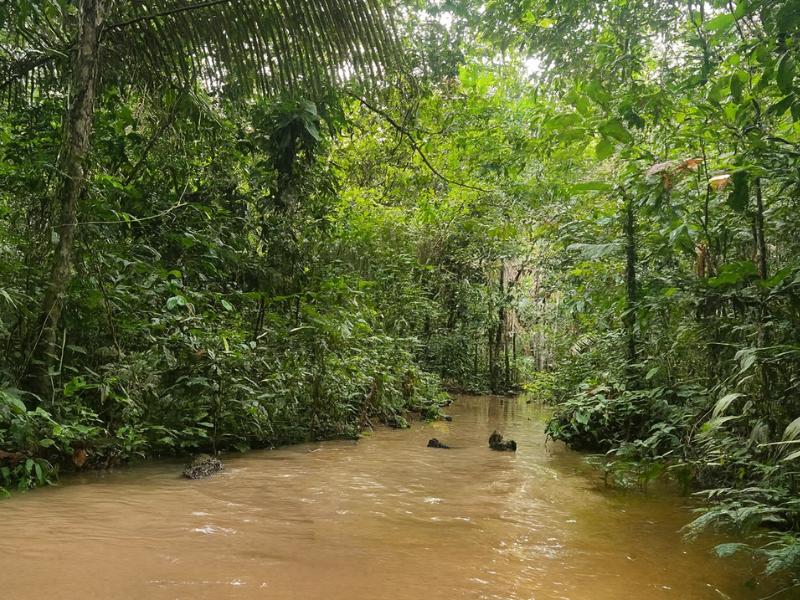
Full-Day Amazonas Birdwatching with Private Guide
10 hours with a private guide focused on birds. A quieter format than mixed-activity group days.
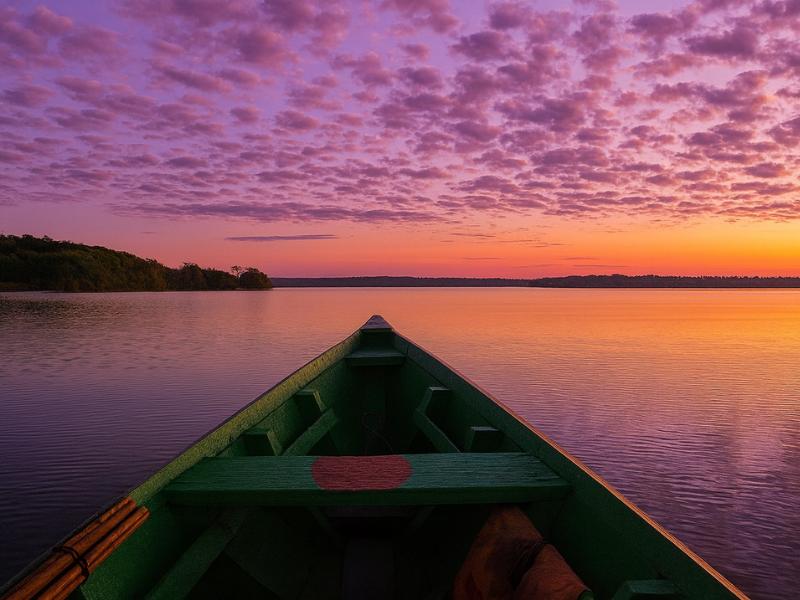
Amazon Jungle Tour: Overnight Rainforest Experience
Two days based at a floating house, with a night on the river. Useful when you want more than a single day out of Manaus.
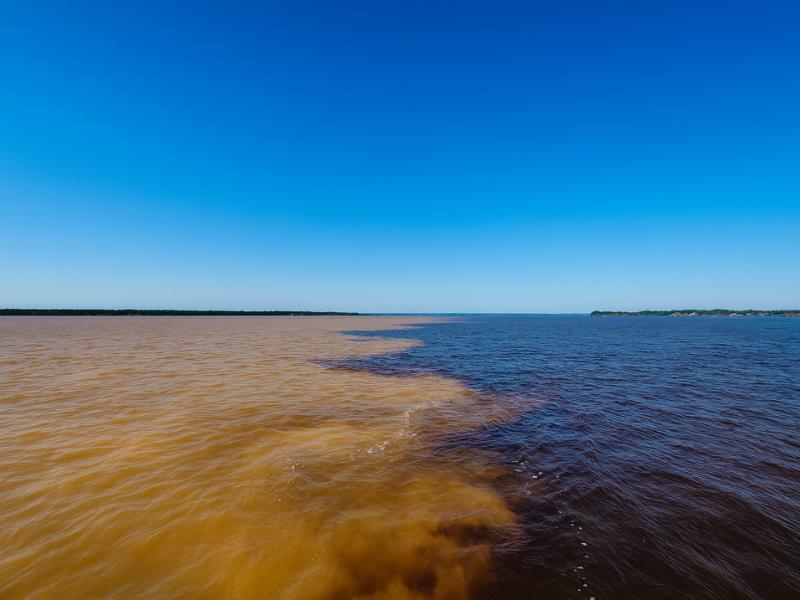
Amazon Tour: Meeting of the Waters & Pink Dolphins with Lunch
Six hours on the river from Manaus, including the Meeting of the Waters. A short option that does not depend on dry hiking trails.
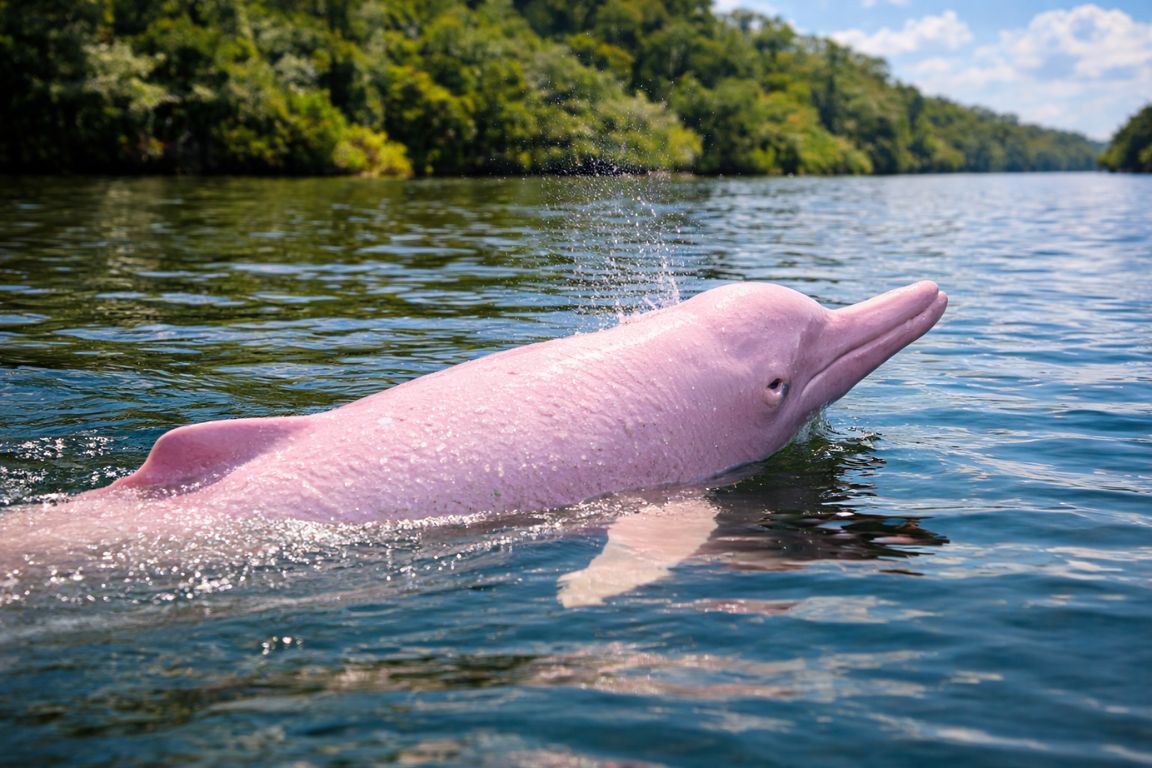 August-September represents the absolute peak for serious wildlife photography in the Brazilian Amazon. Here’s why these two months specifically:
Water levels hit annual minimum – animals concentrate around shrinking water sources creating predictable locations. You’re not searching randomly – guides know where animals gather. Pink river dolphins crowd into narrow channels. Caimans concentrate in remaining pools. Birds gather at reliable water spots. Mammals appear at dawn and dusk at same waterholes.
Light quality peaks – dry season cloud cover remains minimal. Morning golden hour (5:30-7am) and evening golden hour (5-6:30pm) provide spectacular Amazon light. You get clean, warm light without wet season’s constant cloud filtering. Midday harsh light remains (this is equatorial), but early/late light is unmatched.
Trail access maximizes – every viewpoint, every elevated platform, every forest position is accessible. Wet season floods 40-50% of prime photography locations. Dry season exposes all of them. You can position tripods, change angles, wait patiently without being limited to boat-only viewpoints.
Extended excursions possible – 4-6 hour treks reaching remote wildlife areas work in dry season. Wet season limits you to 1-2 hour boardwalk hikes. The extra access matters for finding subjects.
Animals visible not hiding – thick wet season vegetation reduces sight lines. Dry season browse pressure and water concentration creates more open understory. You see animals 30-50 meters away versus 10-15 meters wet season.
The August-September trade-offs: extreme heat (32-35°C makes morning shoots sweaty affairs), aggressive mosquitoes (covering yourself head-to-toe while photographing is uncomfortable), and expensive pricing ($250-400/night lodges). But the photo opportunities justify every compromise.
Alternative for Budget Wildlife Photographers: June or October provides 75-80% of August-September’s wildlife with 60-70% of the cost. You sacrifice peak concentration and absolute minimum water levels but gain significant budget savings and reduced crowds competing for positions.
If you’re going for the wildlife, here’s what animals you’ll see in Brazilian Amazon tours so you can set realistic expectations.
What’s the Absolute Best Time for First-Time Brazilian Amazon Visitors?
 July-August if budget allows, June-September if flexible on specific dates.
First-timers need reliability. You’re spending $2,000-4,000 on this trip (flights, lodges, time off work). Weather disappointments or wildlife whiffs create lasting negative impressions. Dry season delivers the Amazon experience matching your expectations:
- You can hike the rainforest – trails accessible, not underwater
- You see wildlife reliably – multiple sightings daily, not maybe-if-lucky
- Beaches exist for swimming breaks – the heat breaks become essential
- Weather cooperates mostly – rain happens but isn’t constant obstacle
- Activities operate as described – wet season limits some activities despite marketing
There is no universally worst month. Match the activities to current conditions and keep some itinerary flexibility; rainfall, river level and wildlife encounters vary independently.
There is no universally worst month. Match the activities to current conditions and keep some itinerary flexibility; rainfall, river level and wildlife encounters vary independently.
First-Timer Alternative: September offers 90% of July-August experience at 80-85% of pricing with slightly fewer crowds. You trade absolute peak conditions for moderate improvements in secondary factors (budget, crowding, lodge availability).
Taking your first Brazilian Amazon tour during shoulder months (June or October) works if you’re adventurous, flexible, and accept increased weather/wildlife unpredictability as part of the experience rather than disappointment.
When Should Budget Travelers Actually Visit the Brazilian Amazon?
February-March represents the sweet spot for budget-conscious Amazon visits. You’ll save 25-40% across every expense category versus peak dry season:
Lodge Pricing:
- Dry season (Jul-Aug): $250-400/night mid-range lodges
- Wet season (Feb-Mar): $170-280/night same lodges
- Savings: $320-480 for 4-night stay
Domestic Flights:
- Peak season: $300-400 São Paulo to Manaus roundtrip
- Off-season: $180-280 same route
- Savings: $120-180 per person
Tour Availability:
- Lodges 30-40% full (versus 85-95% peak) creating negotiation leverage
- Last-minute deals possible (2-3 weeks before departure)
- Single travelers often avoid single supplements when lodges need to fill
Total Budget Savings: For a couple doing 4-night lodge stay, you’ll save approximately $600-1,000 total versus peak dry season. That’s nearly enough for an extra 2-3 days or funding your next trip.
What You Sacrifice:
- High water changes trail and canoe access. Some terra-firme trails remain walkable; ask what the particular itinerary can offer during your dates.
- Dispersed wildlife (harder spotting, requires more patience and luck)
- Daily afternoon rain (versus occasional rain)
- Fewer activity options (wet season limits certain excursions)
Is It Worth It? If your primary constraint is budget and you’re flexible about specific wildlife sightings, absolutely. The flooded forest is genuinely spectacular – it’s not “second-tier” Amazon, it’s different Amazon. You experience ecosystems impossible during dry season. The savings fund longer stays or better lodges.
If wildlife spotting is your #1 priority, pay the premium for dry season. Saving $800 doesn’t compensate for disappointing wildlife encounters.
Not sure where to start? I’ve put together a complete guide on how to plan a trip to the Brazilian Amazon tours – from timing to what to pack.
Table: Brazilian Amazon Budget Considerations by Season
| Expense Category | Peak Dry (Jul-Aug) | Shoulder Dry (Jun/Sep-Oct) | Transition (Mar-Apr/Nov-Dec) | Wet Season (Jan-Feb) | Savings (Wet vs Peak) |
|---|---|---|---|---|---|
| Mid-Range Lodge (4 nights) | $1,000-1,600 | $880-1,280 | $800-1,200 | $680-1,120 | $320-480 (25-30%) |
| Domestic Flights (roundtrip) | $300-400 | $250-350 | $220-320 | $180-280 | $120-180 (35-40%) |
| Manaus Hotel (2 nights) | $180-300 | $140-240 | $120-200 | $100-180 | $80-120 (35-40%) |
| Tours/Activities Add-ons | $100-200 | $80-160 | $70-140 | $60-120 | $40-80 (30-40%) |
| Meals in Manaus | $80-120 | $70-100 | $60-90 | $50-80 | $30-40 (30-35%) |
| Tips at Lodge | $80-120 | $70-100 | $60-90 | $50-80 | $30-40 (30-35%) |
| Total (per person) | $1,740-2,740 | $1,490-2,230 | $1,330-2,040 | $1,120-1,860 | $620-880 (30-35%) |
| Couple Total | $3,480-5,480 | $2,980-4,460 | $2,660-4,080 | $2,240-3,720 | $1,240-1,760 |
| Lodge Availability | 85-95% full, book 5-6 months ahead | 70-80% full, book 3-4 months ahead | 50-60% full, book 2-3 months ahead | 30-40% full, book 1-2 months ahead | Flexibility + deals |
| Value Rating | Low (high cost, crowds) | Moderate (balanced) | Moderate-Good (prices dropping, conditions variable) | Excellent (lowest cost, different experience) | Best bang-for-buck Feb |
What Are the Worst Times to Visit the Brazilian Amazon?
There is no universally worst month. Match the activities to current conditions and keep some itinerary flexibility; rainfall, river level and wildlife encounters vary independently.
November runs close second. Mirror image of April – transition from dry to wet creates identical problems in reverse. Beaches disappearing but full flooded forest not yet formed. Rain increasing but not settled into predictable afternoon pattern. Wildlife dispersing from concentrated dry season positions but wet season adaptations not yet established. Mosquitoes spiking again.
December 20-January 5 (holiday period) creates different problems. Lodges fully booked (Christmas/New Year vacation), premium pricing returns despite wet season conditions, international tourists maximize, and you combine wet season limitations (no hiking, dispersed wildlife, daily rain) with dry season negatives (crowds, prices, limited availability). The worst of both worlds.
There is no universally worst month. Match the activities to current conditions and keep some itinerary flexibility; rainfall, river level and wildlife encounters vary independently.
There is no universally worst month. Match the activities to current conditions and keep some itinerary flexibility; rainfall, river level and wildlife encounters vary independently.
Plan Brazilian Amazon tours for established seasons (mid-dry June-October or mid-wet January-February), not transitions.
How Do Crowds and Tourism Patterns Affect Your Brazilian Amazon Experience?
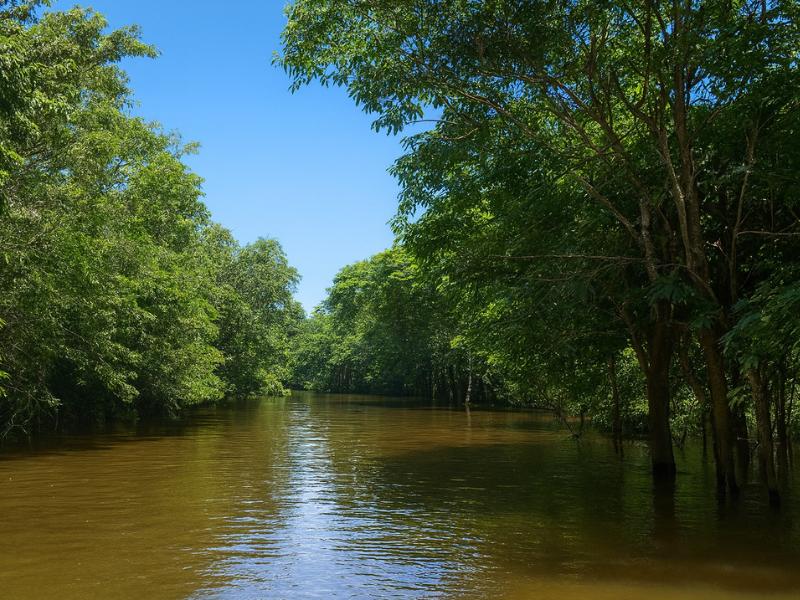
Peak Season (July-August): Lodges operate at 85-95% capacity. That comfortable 8-room jungle lodge you saw in photos. Now it’s housing 14-16 guests. Morning excursions involve dividing into two groups because one boat can’t fit everyone. The intimate sunset canoe paddle becomes flotilla of three boats. Dining room conversations compete with three other table discussions.
Wildlife viewing suffers specifically. Fifteen people crashing through forest trails scatter animals. Multiple boats approaching dolphin pods disturb behavior. Photo opportunities require jockeying for position. The spontaneous “just us and the guide” moments disappear.
Book 5-6 months ahead for July-August. Prime lodges fill completely by April-May for peak season.
Shoulder Season (June, September-October): Lodges run 60-75% full. Better but not ideal. You’ll have 8-12 guests typically. Still group excursions (boats carry 8-10), still shared experiences, but noticeably less crowded than peak. More space at dining tables, easier photo access, quieter forest hikes.
Book 3-4 months ahead. Quality lodges fill but availability exists.
Low Season (January-March): Lodges operate 30-50% capacity. Four to eight guests total at typical lodge. This creates genuine intimacy – excursions might be just your couple and guide. Morning hikes happen without encountering other groups. Guides provide extended, personalized attention because they’re not managing 12-person groups. Dining becomes social gathering with same few guests throughout stay.
Wildlife photography improves dramatically with fewer people – guides can hold position waiting for animals rather than moving groups along on schedule.
Book 1-2 months ahead. Last-minute deals (2-3 weeks before) occasionally appear.
Transition Periods (April, November-December): Crowds moderate (40-60% capacity) but other factors override any crowd benefit. Save money/avoid crowds by visiting established wet season (Feb), not transitions.
We’ve reviewed the luxury Brazilian Amazon jungle lodges so you know which ones deliver on their promises and which are just overpriced.
What Activities Are Actually Available in Each Season?
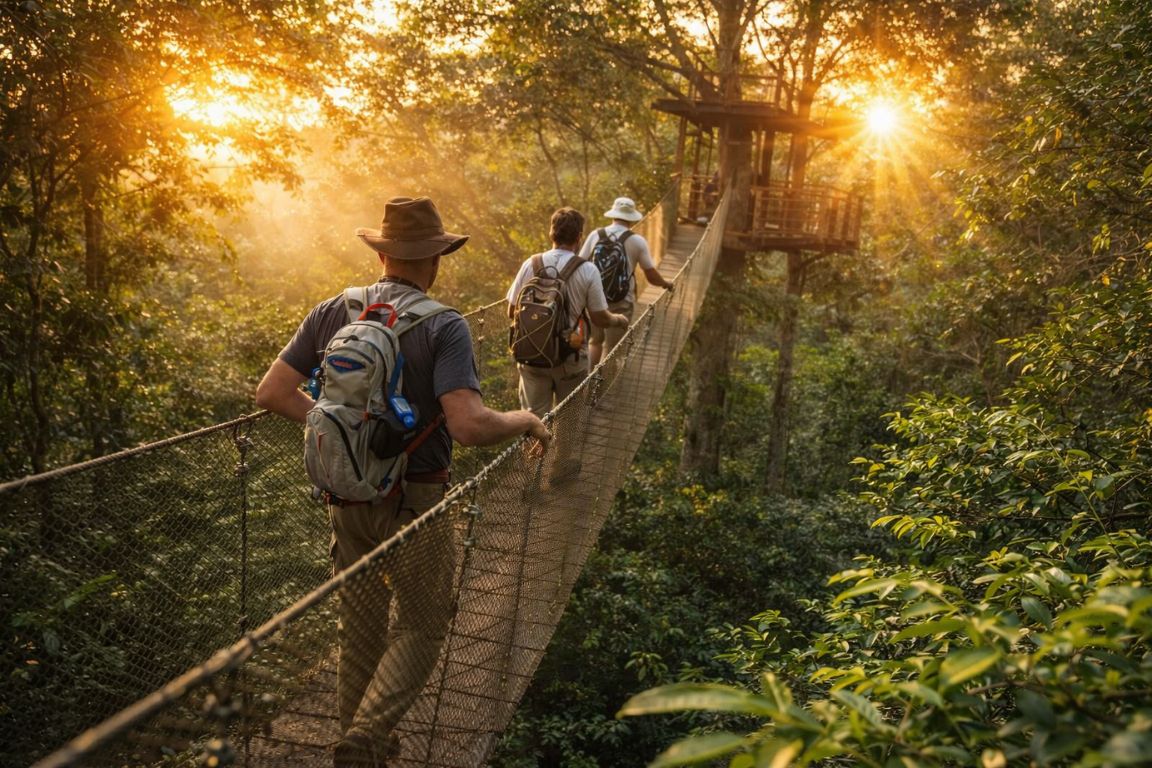 Dry Season Activities (June-November):
- Rainforest hiking: 2-6 hour treks on accessible trails, extended walks possible
- Beach swimming: designated safe areas in black water rivers
- Beach camping: overnight excursions to remote sandbars (some lodges)
- Canopy towers: observation platforms reaching forest mid-levels
- Night hiking: land-based forest walks with flashlights (trails accessible)
- Piranha fishing: from beaches and riverbanks, not just boats
- Indigenous village walks: land-based community access
- Wildlife tracking: following animal signs on exposed forest floor
- Sandbar picnics: lunch on exposed beaches
- Extended expeditions: multi-day camping treks (advanced lodges)
Wet Season Activities (December-May):
- Flooded forest canoeing: navigating between submerged trees, unique ecosystem
- Extended canoe expeditions: deeper forest penetration impossible dry season
- Canopy-level wildlife: viewing animals at water level (treetops now accessible by canoe)
- Fishing in flooded forest: unique species feeding on tree fruits
- Night canoeing: spotlight from boats in flood areas
- Igapó exploration: experiencing flooded forest cathedral aesthetic
- Underwater viewing: designated areas where visibility allows seeing flooded forest underwater
- River beach alternatives: fewer but some protected beaches remain above water
Year-Round Activities:
- River boat excursions
- Meeting of Waters (Manaus specific)
- Dolphin watching (dry season easier spotting)
- Caiman spotting (night excursions)
- Bird watching (different species each season)
- Indigenous community visits (both seasons, different access methods)
- Piranha fishing from boats
- Sunset/sunrise boat tours
- Lodge-based educational programs
The activity portfolio shift is significant. Dry season emphasizes land-based activities (hiking, beaches, tracking). Wet season emphasizes water-based exploration (canoeing deep forest, flooded ecosystem). Neither is superior – they’re different experiences.
Need a recommendation? Here are the best Amazon jungle tours that consistently get it right – from budget to luxury.
Should You Visit During Brazilian Holidays or Special Events?
 Carnival (February-March, dates vary): Occurs 46 days before Easter, typically late February or early March. Manaus has street celebrations but nothing like Rio or Salvador. Amazon lodges mostly unaffected – you’re in remote forest during Carnival. The advantage: many Brazilians focus on Carnival cities, reducing Amazon tourist numbers. The disadvantage: domestic flights to Manaus get expensive and fully booked as Brazilians travel nationwide. If visiting during Carnival, book flights 4-6 months ahead and expect premium pricing.
Christmas/New Year (December 20-January 5): Brazilian and international tourists flood Amazon. Lodges charge peak pricing despite wet season conditions. Book 5-6 months ahead. You’ll pay dry season prices for wet season experience and maximum crowds. Avoid unless locked into holiday-only vacation timing.
Brazilian School Holidays (July, December-January): July creates peak dry season demand (combining Brazilian families with international tourists). December-January holiday period (summer vacation) fills lodges despite wet season. Prices increase, availability decreases. Plan accordingly if visiting these periods.
Amazon Day (September 5): Local Manaus celebration, minimal tourist impact. Lodges operate normally.
Festival de Parintins (late June): Major folkloric festival in Parintins (downstream from Manaus). If attending this, book everything 6-12 months ahead – accommodations fill completely. Otherwise irrelevant to typical Amazon tourists.
Strategic Holiday Timing: Visit immediately after major holidays (early January post-New Year, week after Carnival ends) when Brazilians return to work but international tourism hasn’t peaked. You benefit from domestic tourists departing while maintaining international low-season pricing.
FAQs
High water changes trail and canoe access. Some terra-firme trails remain walkable; ask what the particular itinerary can offer during your dates.
There is no universally worst month. Match the activities to current conditions and keep some itinerary flexibility; rainfall, river level and wildlife encounters vary independently.
When is the best time for wildlife photography in the Amazon? August-September specifically. Water levels at annual minimum concentrating animals, dry season light quality peaks, trail access maximizes positioning, and wildlife visibility optimizes. You’ll see more animals in more accessible locations with better light than any other period. Trade-off: expensive ($250-400/night lodges), crowded (85-95% full), and extreme heat/mosquitoes. June or October provides 75-80% of wildlife photography quality at 60-70% of cost if budget-constrained.
Is it better to visit Amazon during dry season or wet season as a first-timer? Dry season (July-September specifically) for first-timers. You need reliability – accessible trails, predictable wildlife, beach swimming breaks, weather cooperation. Dry season delivers the Amazon matching expectations. Wet season risks disappointment if you’re expecting land hikes and reliable animal sightings. Return visits can explore wet season’s different ecosystem after establishing baseline understanding during dry season first visit.
How far in advance should I book Brazilian Amazon tours for peak season? 5-6 months for July-August (peak dry season). Quality lodges at optimal distances (80-120km from Manaus) fill completely by March-April for July-August dates. Waiting until 2-3 months before means second-tier properties or less desirable dates. Shoulder season (June, September-October) needs 3-4 months advance booking. Wet season (January-March) works with 1-2 months notice, sometimes last-minute deals appear. Book Brazilian Amazon tours alongside international flights – don’t wait for flight sales then discover lodges are full.
Does the Amazon have mosquitoes year-round or only certain seasons? Year-round but intensity varies dramatically. Peak mosquito populations occur during transition periods (April, November-December) when changing water levels create optimal breeding conditions. Dry season (July-October) has aggressive concentrated mosquitoes near remaining water. Wet season (January-March) has fewer mosquitoes (water volume dilutes breeding). No season is mosquito-free – bring 30%+ DEET repellent regardless of timing.
What’s the temperature difference between dry and wet season in the Amazon? Minimal – 2-3°C variation. Dry season averages 32-35°C, wet season 30-32°C. The difference is barely noticeable in practice. Don’t choose season based on temperature – both are hot and humid year-round. Cloud cover affects perceived temperature more than actual seasonal temperature shifts. Humidity varies more (70-85% dry, 80-90% wet), creating discomfort difference, but temperature itself stays consistent.
Can you see pink river dolphins better in dry season or wet season? Dry season significantly better. Lower water levels concentrate dolphins in narrower, shallower channels where visibility and proximity improve. Wet season disperses dolphins throughout vast flooded areas making encounters less reliable and sightings more distant. For photographers specifically, dry season’s concentrated dolphins in accessible channels provides dramatically better opportunities than wet season’s scattered populations.
Glossary
Dry Season: June-November period when Amazon rainfall decreases to 60-100mm monthly, rivers drop 10-15 meters exposing beaches and trails, and wildlife concentrates around shrinking water sources, creating optimal viewing conditions despite higher temperatures and mosquitoes.
Wet Season: December-May when rainfall increases to 200-350mm monthly, rivers rise 10-15 meters flooding vast forest areas, creating flooded forest (igapó) ecosystem with canoe access between trees but dispersing wildlife throughout expanded habitat.
Igapó: Flooded forest ecosystem occurring during wet season when rising waters submerge forest floor 10-15 meters, allowing canoe navigation between trees and creating unique habitat where fish feed on tree fruits and aquatic species inhabit the canopy level.
There is no universally worst month. Match the activities to current conditions and keep some itinerary flexibility; rainfall, river level and wildlife encounters vary independently.
Peak Season: July-August specifically when dry season conditions optimize, international tourism maximizes, lodges operate 85-95% full, prices peak at $250-400/night mid-range lodges, and booking requires 5-6 months advance notice.
Shoulder Season: June (early dry) and September-October (late dry) periods offering 80-90% of peak season benefits at 70-85% of pricing with marginally fewer crowds, representing good value for flexible travelers.
Water Level: River height varying 10-15 vertical meters between dry season minimum (September-October) and wet season maximum (March-April), fundamentally changing forest access, wildlife distribution, and available activities.
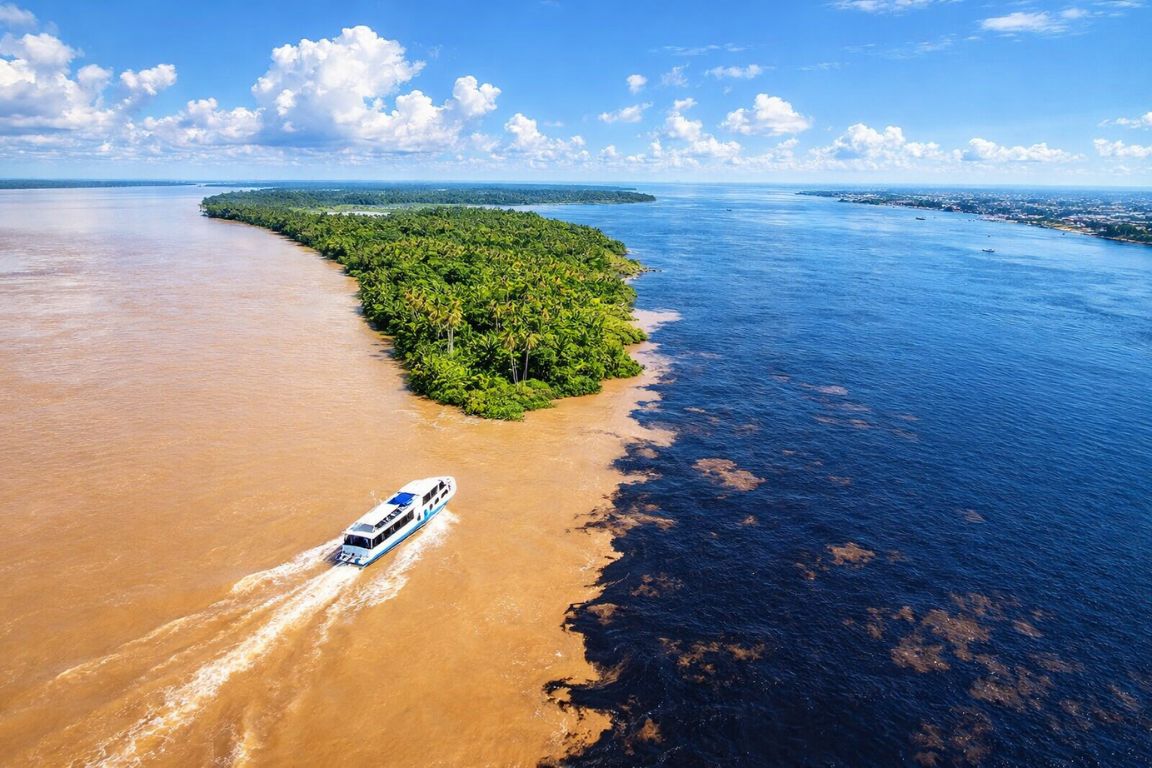
Meeting of Waters: Natural phenomenon near Manaus where black Rio Negro and brown Amazon River flow side-by-side for 6km without mixing, visible year-round but more dramatic during dry season when water level contrast emphasizes the boundary.
Lodge Transfer: Boat journey from Manaus to Amazon lodge, ranging 1-6 hours depending on distance (30-180km), included in package pricing, marking transition from city to jungle and significantly affecting daily schedule on arrival/departure days.
River Beach: Sandy areas exposed along river edges during dry season (June-November) when water levels drop, providing designated safe swimming locations and picnic spots, completely submerged during wet season.
Written by a Brazilian Amazon specialist with experience across all seasons, direct relationships with Manaus-based lodges and guides observing yearly wildlife and weather patterns, understanding of how seasonal changes affect specific activities and wildlife viewing opportunities, and commitment to honest seasonal guidance rather than claiming every month is optimal when clear seasonal advantages exist for different traveler priorities. Date: December 29, 2025.